marascol.adm21@gmail.com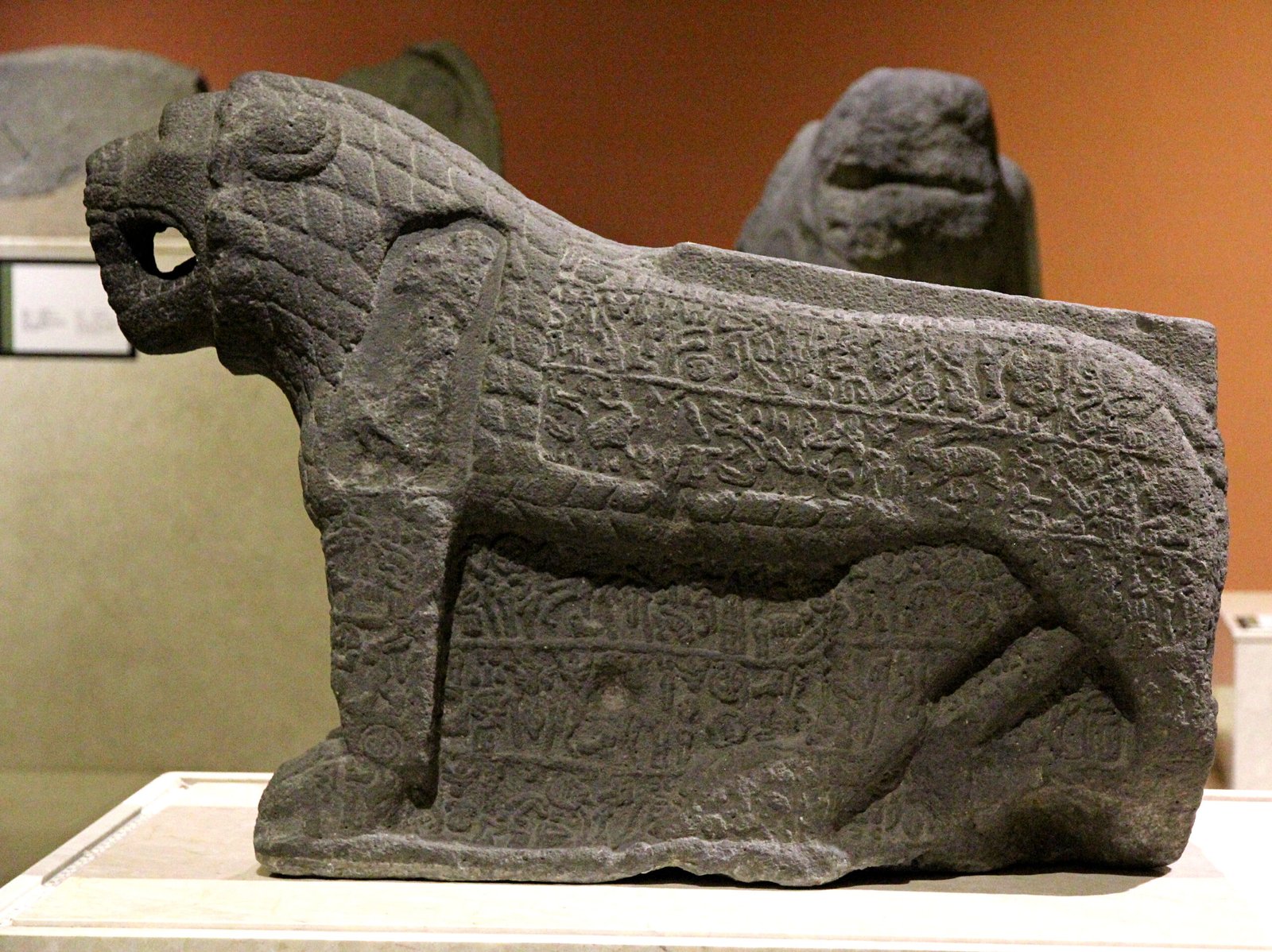
- Origins and Etymology
The history of Kahramanmaraş dates back 12,000 years. The oldest written records are Neo-Assyrian texts from the 9th century BC, referring to the city as “Markasi,” the capital of the Gurgum Kingdom. It was later known as “Germanicia” in the Roman era, “Mer’aş” following the Islamic conquests, and “Zülkadiriye” during the Ottoman period. - Prehistory and Antiquity
Situated on a strategic trade route connecting Mesopotamia to Anatolia, the region hosts ancient settlements such as Direkli Cave and Domuztepe Mound. During the Hittite era, the city was known as “Maraj;” the iconic “Maraş Lion” statue is the most significant symbol of this period’s artistic heritage. - Hellenistic, Roman, and Byzantine Periods
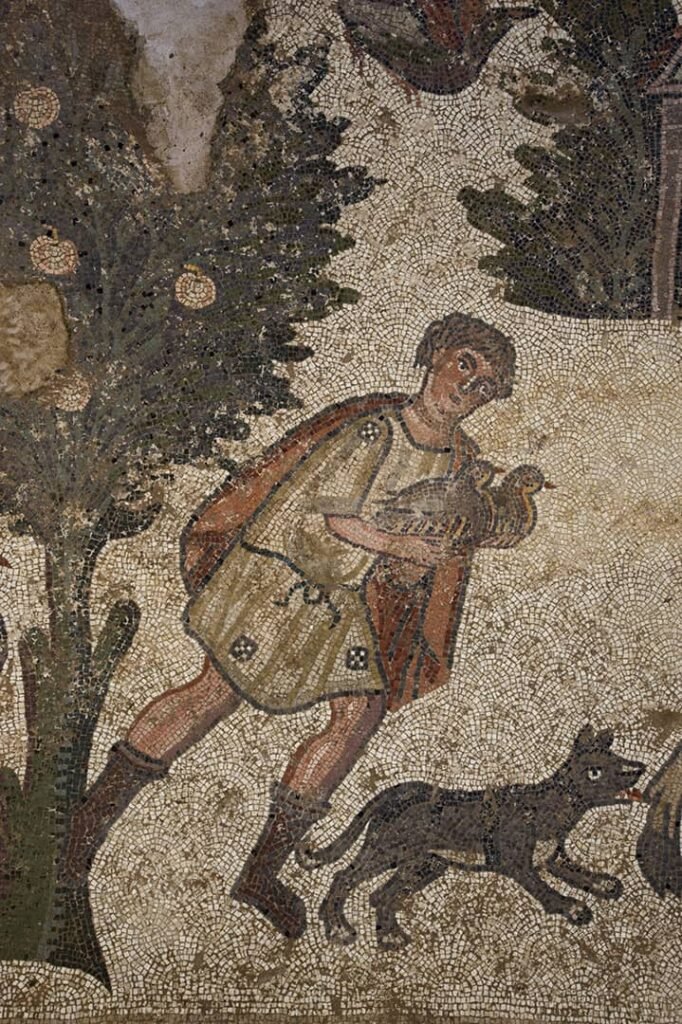
Incorporated into the Hellenistic world by Alexander the Great, the city came under Roman rule in 64 BC. Named “Germanicia” in honour of Emperor Caligula, it flourished with magnificent floor mosaics. Under Byzantine rule, it was titled the “City of Kings” as it was the birthplace of Emperor Leo III. - Islamic Conquests and the Seljuk Era
First conquered by Khalid ibn al-Walid in 637 AD, the city became a focal point for Islamic civilisation. Turkish rule began in 1086 under the Seljuk commander Emir Buldacı. In 1114, the city suffered the “Great Maraş Earthquake,” a catastrophic event that remained a significant milestone in its medieval history.
- The Dulkadir Principality (1337 – 1522)
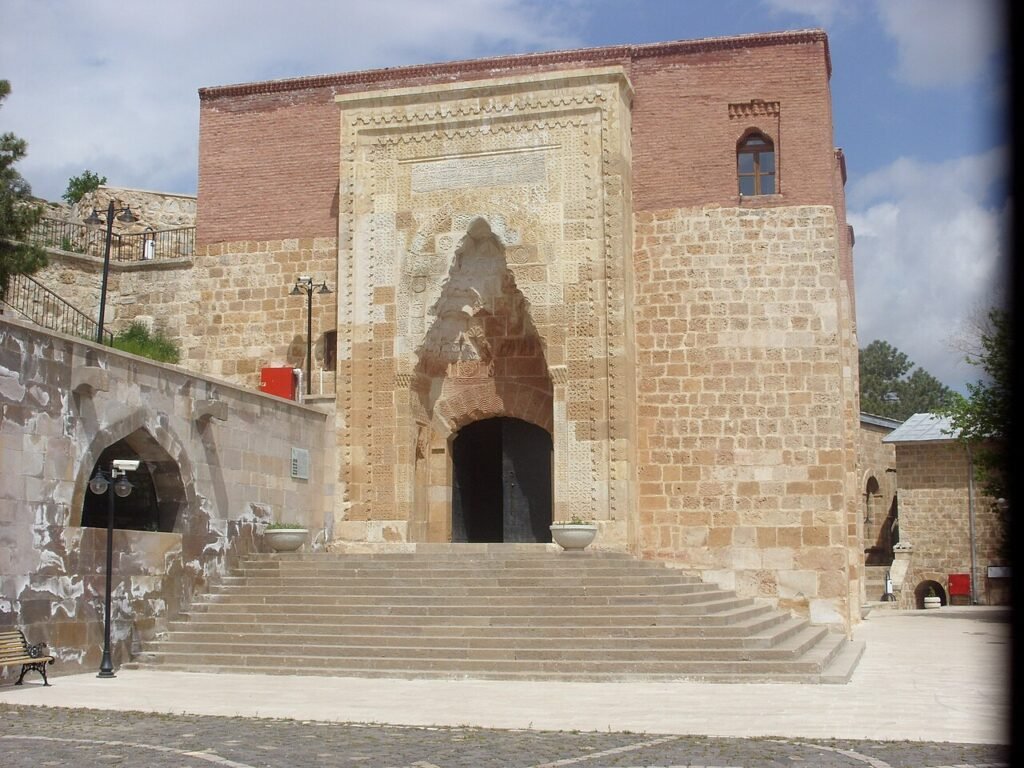
This period defined the city’s Turkish identity. Under Ala al-Dawla Bozkurt Beg, the city gained its architectural character with numerous mosques and social complexes. In 1515, the Principality was annexed by the Ottoman Empire following the Battle of Turnadağ. - The Ottoman Period
As the centre of the Dulkadir Province, Maraş served as a vital administrative hub. The 19th century saw various challenges, including a brief Egyptian occupation. The 1865 Fırka-i Islahiye (Army of Reform) played a key role in settling local tribes and establishing the foundations of modern-day districts. - The National Struggle and the “Hero” Title (1919 – 1923)
The most critical turning point in modern history was the city’s unparalleled resistance against the British and French occupations following the First World War. The “first shot” by Sütçü İmam and the iconic “Flag Incident” transformed a civilian uprising into a full-scale war for independence, fought without a regular army. On 12 February 1920, Maraş became the first city to drive out the occupying forces through its own collective will, serving as the first spark for the entire Turkish War of Independence. This victory was honoured with the Medal of Independence in 1925 and the title “Kahraman” (Hero) in 1973. - The Republican Era and Modern Maraş
Post-Republic, the city emerged as an industrial powerhouse in textiles and cookware. Culturally, it became the “Capital of Poets,” shaped by the legacy of Necip Fazıl and the “Seven Beautiful Men” movement. Following the devastating earthquakes of February 2023, Kahramanmaraş continues its journey of resilience, rebuilding as a modern cultural and literary hub.