
- Strategic Location and Topography
Spanning 14,346 km2, Kahramanmaraş sits in Southern Türkiye as a vital bridge between Anatolia and Mesopotamia. Its landscape is defined by its rugged majesty, with three-quarters of the province covered by mountains.Its landscape is defined by its rugged majesty, with three-quarters of the province covered by mountains. The extensions of the Outer Taurus range, interspersed with fertile tectonic basins and plains, create a distinctive and dramatic topography.
- A Crossroads of Climates
Situated at the intersection of three geographical regions—Mediterranean, Eastern Anatolia, and Southeastern Anatolia—the city is a unique climatic synthesis.
The South: Influenced by a modified Mediterranean climate with mild winters and hot summers.
The North: Characterised by a harsh continental climate due to altitudes reaching 3,000 metres.
Highlands: Experience a refreshing mountain climate. This diversity fosters an extraordinary richness in both biodiversity and social heritage.
- Peaks of Heritage: Mountains and Plateaus
Mountains cover nearly 60% of the province, forming the bedrock of the city’s identity.
Mount Ahır: Rising just north of the city, it is the native home of the wild orchid (salep), the essential ingredient of the world-famous Maraş ice cream.
Mounts Nur and Berit: Home to the vast forests of Başkonuş and Yavşan, these peaks offer pristine plateaus and a sanctuary for diverse flora.
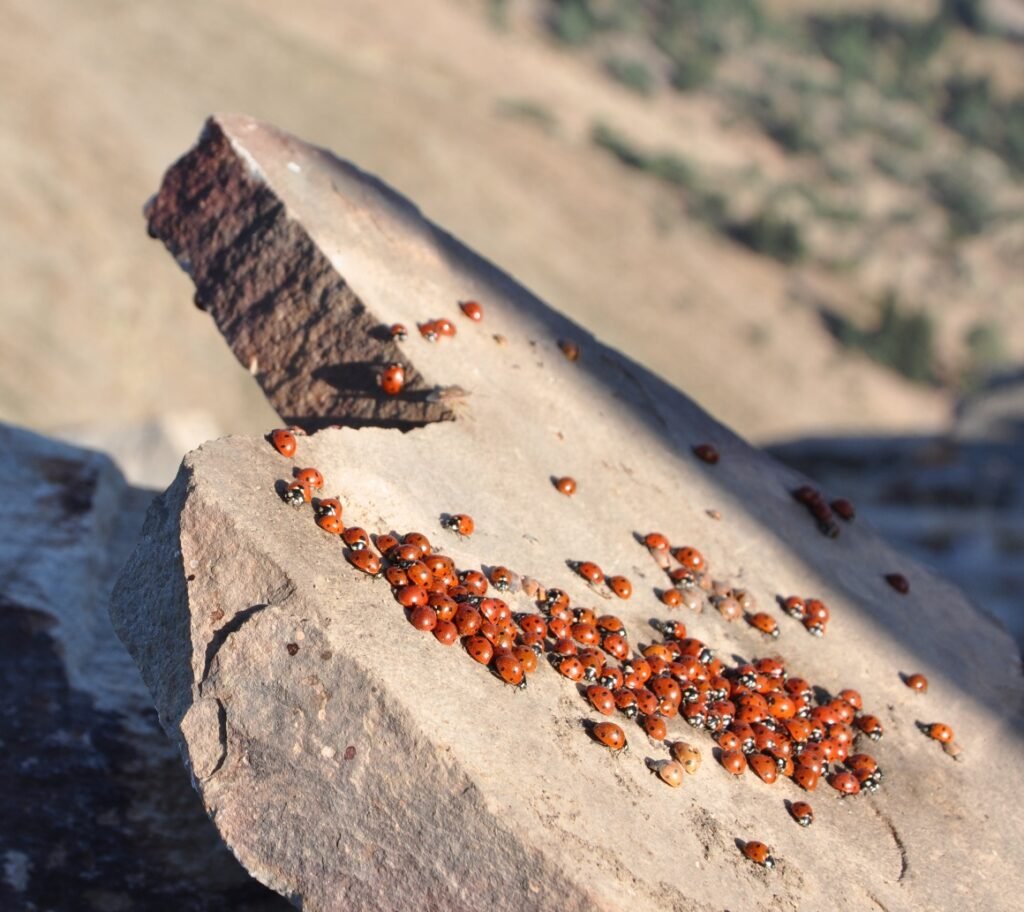
Uludaz Peak: Renowned for its unique natural phenomenon where millions of seven-spotted ladybirds hibernate, creating a vibrant spectacle of nature.
- Hydrography: The Flow of Vitality
Kahramanmaraş is one of the most water-rich provinces in Türkiye.
The Ceyhan River: Extending 509 km, it is the lifeblood of the region.
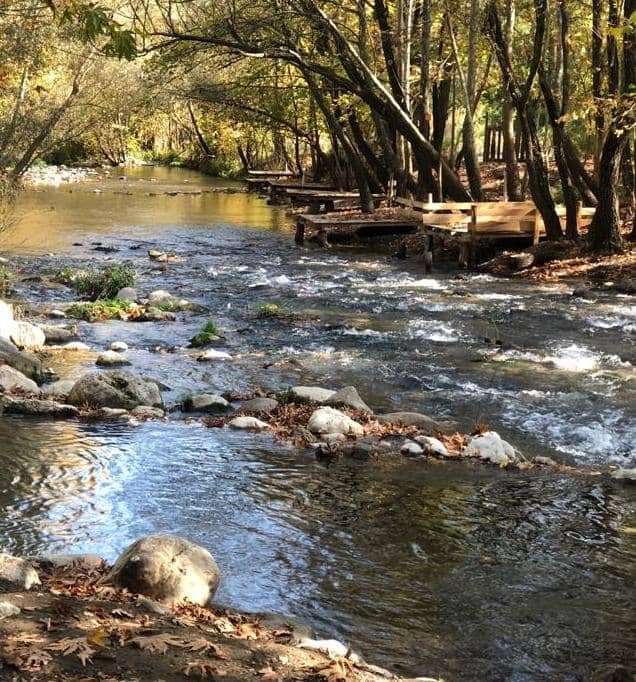
Aksu and Tekir Streams: Known for their crystal-clear waters and cascading waterfalls through caves like Döngel, these rivers feed major reservoirs such as Menzelet and Kartalkaya, turning water into prosperity.
- Flora and Natural Life
With 42% of its land covered by forests and maquis, the province exhibits a wide range of vegetation. From Mediterranean scrubland at lower altitudes to ancient cedars, firs, and Alpine meadows at the summits, this ecological diversity provides the raw inspiration for the city’s culinary flavours and its profound literary traditions.
Recent Comments